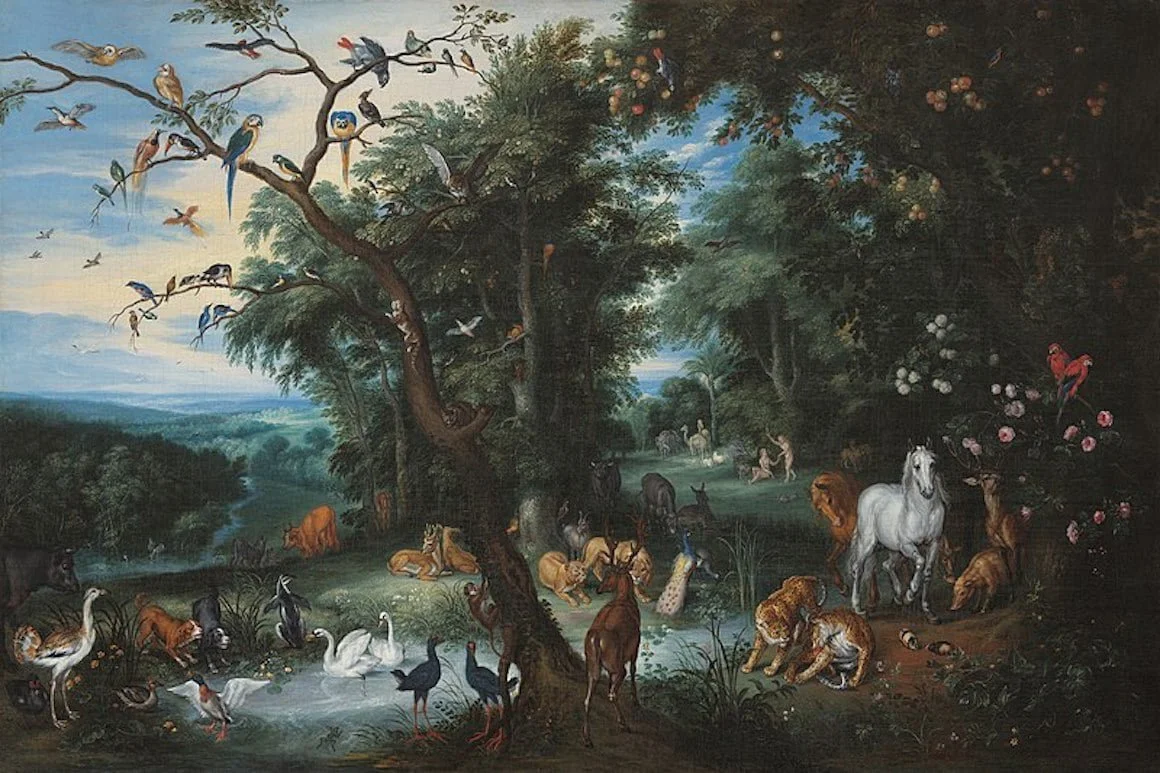

The Life and Afterlife of "Festus"
Philip James Bailey’s Festus is the most popular poem most people have never heard of.

Remembering Frederick Buechner
Just about every artist of faith I know — photographers, poets, actors — all count his books as among their dearest treasures.


Practicing Gospel with David Rayburn
What about the poet? How do you perceive your work as serving God?

C.S. Lewis Foundation Webinar with Amber Salladin
How can Christian artists perform their vocations in such a way that the practice strengthens their faith?

Interview with Joel Heng Hartse on his book of music criticism
Writing about music, meaning, and the ineffable.

Bower Lodge by Paul J. Pastor
For all its intimations of quietude, there's a wildness in Pastor's poems- think Berryman's dreaming songs or Whitman's barbarian yawp-a rusticity that is as defiant as it is pastoral. This book is a plumage, not of butterfly or bird, but of moth wing, which is to say: a blessing.

The Stranger by Ben Palpant
Ben Palpant’s poems in The Stranger breakdance through both biblical and literary history, remixing tunes from Tennyson and Gwendolyn Brooks with samples from the pop band Starship and the Divine Office. But those juxtapositions are not this strong collection’s best surprise. Rather, it’s the big quiet after each poem ends in which we mouth both How true and Hallelujah. This book is at once a daring and a tender undertaking.

After so Many Fires by Jeremiah Webster
After so much posturing on the parts of pundits, preening celebrities, poets on the picked through street market of the avant-garde; after so much hollow flash, so much essentially genre-bent lineated prose of small epiphanies; after so much, well, else, Jeremiah Webster’s After So Many Fires comes out of the Pacific Northwest like rain: greening everything, cleaning the language, sharpening the eye, casting a slant-lit wonder about this whole good God-haunted earth, and, most importantly, allowing again a kind of deep breathing.

Christian Poetics Initiative with David Mahan
You speak of exploring the “pliability of formal structures in making verse.” Can you elaborate what you mean by this, perhaps again in light of your faith?

Aarik Danielsen for EcoTheo Review
Willett whirs and waxes rhapsodic, yet never writes from disembodied fancy. He converses with what he classifies knowing that, if we’re lucky, our understanding falls within the margin of error.

SPU Stories with Amanda Stubbert
I had never met a professor, never met anyone who had a PhD. I had never called anyone doctor, apart from my doctor.
Ascent Scholars: Faculty Profile
When Mischa Willett started college in the late ‘90s, he encountered an academic environment that was completely unfamiliar to him.

Changes and Chances in Literary Pedagogy
English departments at Christian liberal arts institutions have faced a broadband array of economic and cultural challenges in recent years, but I’m optimistic.
Fading Crimean Flowers
In their refusal to aestheticize Crimean warfare, as most of their fellow poets and newspapermen had done, Sydney Dobell and Alexander Smith, in the co-authored Sonnets on the War (1855) present a harrowing picture of the conflict from myriad viewpoints, all of which deny the patriotism and hawkishness implicit in glamorizing armed conflict.